-
🚫 Foods That Can Make Sarcoidosis Symptoms Worse
What to Avoid and Why It Matters Living with sarcoidosis means constantly learning what helps your body—and what makes symptoms flare. While food doesn’t cause sarcoidosis, what you eat can strongly influence inflammation, immune response, fatigue, pain levels, and even how your medications affect your body. Many people with sarcoidosis notice that certain foods make their symptoms worse: more joint pain, shortness of breath, brain fog, skin flare-ups, digestive issues, or fatigue. Understanding which foods may be triggering your symptoms is an important part of managing this condition. This guide explores foods that commonly worsen sarcoidosis symptoms, why they cause problems, and what to choose instead. Why Diet Matters With Sarcoidosis Sarcoidosis is…
-
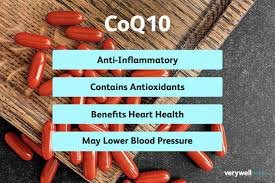
CoQ10: Energy, Heart, and Muscle Support
Coenzyme Q10 (CoQ10) is a compound naturally produced by the body and stored in mitochondria—the energy centers of cells. What Does CoQ10 Do? CoQ10: Potential Benefits for Sarcoidosis CoQ10 may help: Safety Considerations How to Choose ✔ Ubiquinol (more absorbable)✔ Taken with food containing fat✔ Moderate dosage Faith Reflection “My flesh and my heart may fail, but God is the strength of my heart.” — Psalm 73:26 (NIV) Strength is both spiritual and physical. Final Takeaway CoQ10 may support energy, muscles, and heart health in people with sarcoidosis when used thoughtfully.
-
Probiotics : Gut Health and Immune Balance
The gut and immune system are deeply connected. Many people with sarcoidosis experience digestive issues due to medications, stress, or inflammation. What Are Probiotics? Probiotics are beneficial bacteria that support: How Probiotics May Help People with sarcoidosis may benefit from probiotics for: Safety Notes Faith Reflection “I praise you because I am fearfully and wonderfully made.” — Psalm 139:14 (NIV) God designed even our microbiome with intention. Final Takeaway Probiotics can support digestive comfort and immune balance when chosen carefully and used consistently.
-
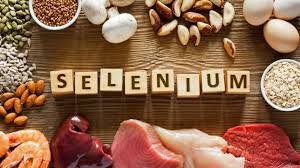
Selenium : Antioxidant Defense for Cellular Health
Selenium is a trace mineral that plays a key role in antioxidant enzymes and immune balance. Why Selenium Matters Selenium supports: Potential Benefits in Sarcoidosis Selenium may help: Safety Considerations Faith Reflection “He restores my soul.” — Psalm 23:3 (NIV) Sometimes restoration happens at the cellular level. Final Takeaway Selenium can support antioxidant defenses but should be used carefully and in small amounts.
-
Zinc : Immune Balance and Healing Support
Zinc is a trace mineral vital to immune function, wound healing, and cellular repair. People with chronic inflammatory conditions often explore zinc for immune balance. What Zinc Does Zinc supports: Potential Benefits for Sarcoidosis Zinc may help: Safety Notes How to Use ✔ Short-term or lab-guided✔ 15–30 mg daily unless otherwise directed✔ Pair with food Faith Reminder “Every good and perfect gift is from above.” — James 1:17 (NIV) Even small nutrients can be part of God’s provision. Final Takeaway Zinc may support immune and skin health in sarcoidosis when used responsibly and not in excessive doses.
-
Iron : Only When Deficiency Is Confirmed
Iron is essential for oxygen transport in the blood. However, iron should never be supplemented without lab confirmation, especially in inflammatory conditions like sarcoidosis. Why Iron Matters Iron supports: Low iron can cause: Iron in Sarcoidosis: Special Caution Inflammation can cause anemia of chronic disease, where iron is present in the body but not properly utilized. Supplementing iron in this case does not help and may worsen inflammation. When Iron May Be Helpful Iron supplementation may be appropriate if tests show: Always confirm with blood work before taking iron. Safety Considerations Avoid iron if: Faith Reflection “The Lord will guide you always; He will satisfy your needs.” — Isaiah 58:11 (NIV) Wisdom in…
-
B-Complex Vitamins: Energy, Nerve, and Stress Support
B vitamins are essential for energy production, nervous system health, and red blood cell formation. Many people with chronic illness or long-term medication use benefit from targeted B-vitamin support. What Are B Vitamins? The B-complex includes: Each plays a role in metabolism, brain function, and cellular health. How B Vitamins May Help in Sarcoidosis People with sarcoidosis may benefit from B vitamins if they experience: Important Safety Notes How to Choose ✔ Methylated forms (methyl-B12, methylfolate) for better absorption✔ Moderate dosages✔ No artificial dyes or fillers Faith Reminder “Those who hope in the Lord will renew their strength.” — Isaiah 40:31 (NIV) God’s renewal often comes through wise nourishment. Final Takeaway B-complex vitamins…
-
Magnesium : Supporting Muscles, Sleep, and Stress
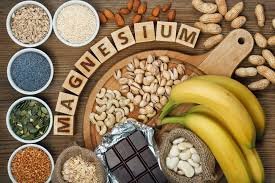
Magnesium is involved in over 300 biochemical processes in the body. For people living with sarcoidosis—especially those dealing with fatigue, muscle tension, insomnia, or medication side effects—magnesium can be a gentle but meaningful support nutrient. What Is Magnesium? Magnesium is an essential mineral that supports: Many adults are mildly deficient due to stress, medications, or poor absorption. How Magnesium May Help in Sarcoidosis While magnesium does not treat granulomas, it may help manage common symptoms and medication effects: Safety Considerations Magnesium is generally safe, but caution is needed if you: Best Forms to Use ✔ Magnesium glycinate – calming, good for sleep✔ Magnesium malate – helpful for fatigue✔ Magnesium citrate – aids constipation…
-
N-Acetyl Cysteine (NAC) & Glutathione: Lung & Cellular Support
Oxidative stress plays a role in many inflammatory conditions, including sarcoidosis. N-Acetyl Cysteine (NAC) is a precursor to glutathione, one of the body’s most powerful antioxidants. What Is NAC? NAC: Potential Benefits for Sarcoidosis NAC and glutathione may help support: This makes NAC especially interesting for people with pulmonary sarcoidosis. Safety Notes Generally well tolerated, but: How to Choose ✔ Pharmaceutical-grade NAC✔ No artificial dyes✔ Optional pairing with vitamin C or selenium Faith Reflection “He gives strength to the weary and increases the power of the weak.” — Isaiah 40:29 (NIV) Final Takeaway NAC and glutathione may support lung and cellular health in sarcoidosis when used carefully and consistently.
-
Quercetin: Antioxidant Support for Inflammation
Quercetin is a powerful plant flavonoid found in apples, onions, berries, and leafy greens. Known for its antioxidant and anti-inflammatory properties, quercetin is often used for immune balance and allergy support. What Is Quercetin? Quercetin: Potential Benefits for Sarcoidosis People with sarcoidosis may use quercetin to support: It does not replace medication but may provide gentle immune modulation. Safety & Interactions Use caution if you: High doses over long periods should only be used with medical guidance. How to Use Wisely ✔ Look for bioavailable forms✔ Avoid megadoses✔ Combine with vitamin C for enhanced absorption Faith Reminder “The Lord is my strength and my shield.” — Psalm 28:7 (NIV) Your strength may come…