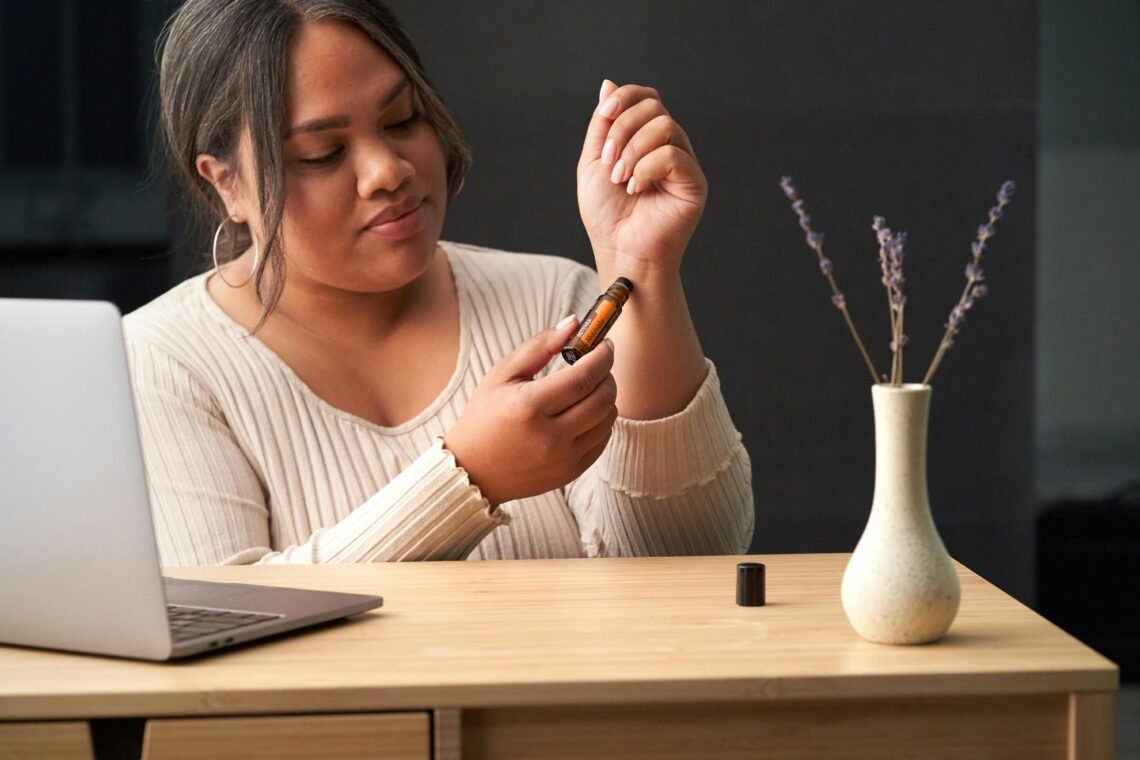
Safe Ways to Use Essential Oils When You Have Sarcoidosis
When living with sarcoidosis, safety matters just as much as intention. Because sarcoidosis can affect the immune system, lungs, skin, and nervous system, it’s essential to approach essential oils with care, awareness, and moderation.
This guide focuses on how to use essential oils safely, minimize risk, and support your body gently—without triggering irritation or worsening symptoms.
Why Safety Is Especially Important with Sarcoidosis
Sarcoidosis may involve:
- Immune sensitivity
- Lung involvement
- Skin reactivity
- Medication interactions
- Heightened inflammation
Essential oils are highly concentrated substances, and even natural products can cause adverse reactions if misused.
Golden Rules for Essential Oil Safety
✔️ 1. Always Dilute Essential Oils
Never apply essential oils directly to the skin without a carrier oil.
General dilution guidelines:
- Sensitive individuals: 0.5% (1 drop per 2 tablespoons carrier oil)
- General use: 1% (1 drop per tablespoon carrier oil)
- Avoid higher concentrations unless advised by a professional
✔️ 2. Patch Test Every Oil
Before using a new oil:
- Mix 1 drop essential oil with 1 tablespoon carrier oil
- Apply to inner forearm
- Wait 24 hours
- Watch for redness, itching, or irritation
If a reaction occurs, discontinue use.
✔️ 3. Use Diffusers Conservatively
Diffusion is often the safest method, but moderation is key.
Best practices:
- 2–4 drops only
- Diffuse for 20–30 minutes
- Take breaks
- Ventilate the room
Avoid continuous or overnight diffusion.
✔️ 4. Avoid Internal Use
Essential oils should not be ingested unless under the guidance of a qualified healthcare professional.
Internal use can:
- Irritate organs
- Interact with medications
- Worsen inflammation
✔️ 5. Be Mindful of Lung Sensitivity
If you have pulmonary sarcoidosis:
- Avoid strong or irritating oils
- Stop diffusion if coughing or chest tightness occurs
- Never inhale directly from the bottle
Gentler oils and lower doses are best.
Oils to Use with Extra Caution
Some oils are more stimulating or irritating:
- Peppermint
- Eucalyptus globulus
- Cinnamon
- Clove
- Oregano
These are not forbidden, but must be used carefully and diluted well.
When to Avoid Essential Oils
Do not use essential oils if:
- You’re experiencing an active flare with severe symptoms
- Skin is broken or inflamed
- Breathing worsens
- You feel dizzy or nauseated
Listening to your body is essential.
Essential Oils Should Never Replace Medical Care
Essential oils are complementary tools only. Always:
- Follow your treatment plan
- Inform your healthcare provider
- Prioritize rest and medical guidance
Health Disclaimer
This article is for educational purposes only and does not replace professional medical advice.