Curcumin (Turmeric): A Natural Anti-Inflammatory Ally
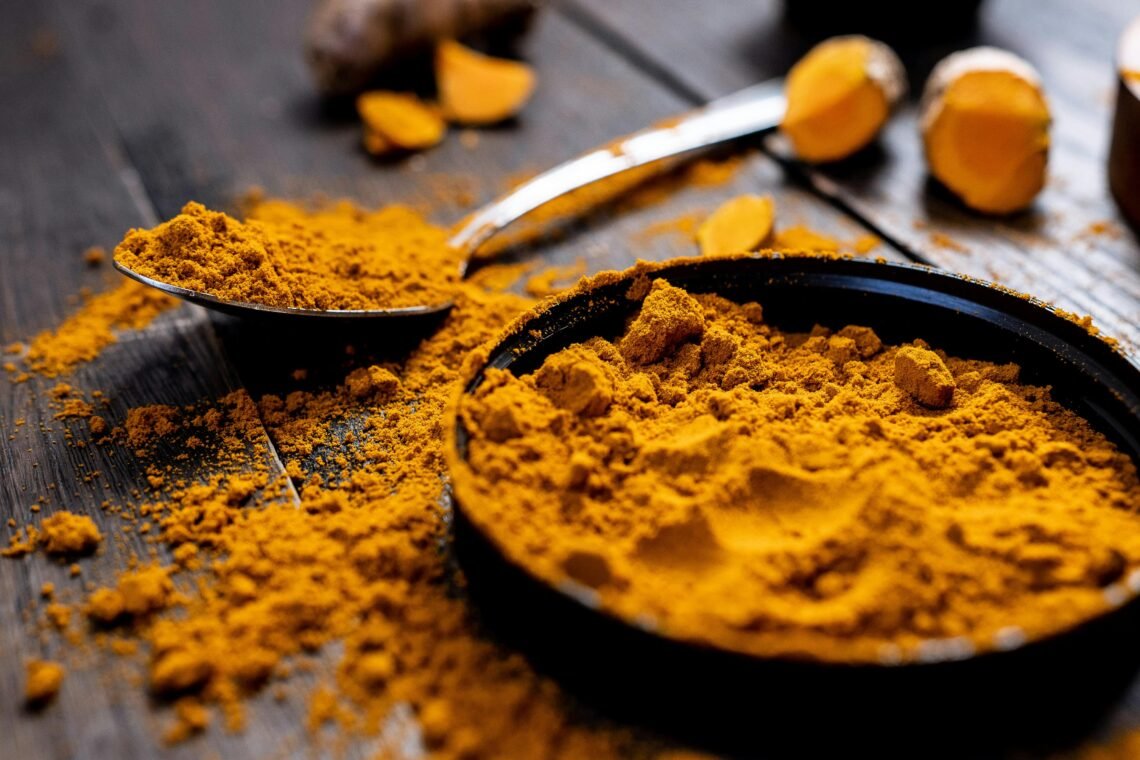
Turmeric has been used for centuries in traditional medicine. Its active compound, curcumin, is known for powerful antioxidant and anti-inflammatory effects. For people with sarcoidosis, curcumin may offer supportive benefits in managing chronic inflammation.
What Is Curcumin?
Curcumin is the bright yellow compound found in turmeric root. It:
- Reduces inflammatory markers
- Neutralizes free radicals
- Supports cellular health
Because curcumin is poorly absorbed on its own, high-quality supplements often include black pepper (piperine) or are formulated as bioavailable extracts.
How Curcumin May Help in Sarcoidosis
Although not a treatment for granulomas, curcumin may support:
- Joint and muscle pain
- Fatigue associated with inflammation
- Digestive inflammation
- General immune system balance
Many people with autoimmune and inflammatory conditions report improved comfort and reduced flare intensity when using curcumin as part of a holistic approach.
Safety Considerations
Curcumin is generally safe but not for everyone.
Avoid or Use Caution If You:
- Take blood thinners
- Have gallbladder disease
- Are pregnant
- Experience stomach irritation or reflux
Always inform your doctor before starting.
How to Choose a Curcumin Supplement
✔ Standardized to 95% curcuminoids
✔ Contains piperine or uses enhanced absorption technology
✔ Free of fillers and artificial dyes
Faith Reflection
Healing does not always mean immediate relief, but faithful stewardship:
“Commit your way to the Lord; trust in Him and He will do this.” — Psalm 37:5 (NIV)
Final Takeaway
Curcumin may provide natural inflammation support for people with sarcoidosis when used responsibly and alongside medical care.