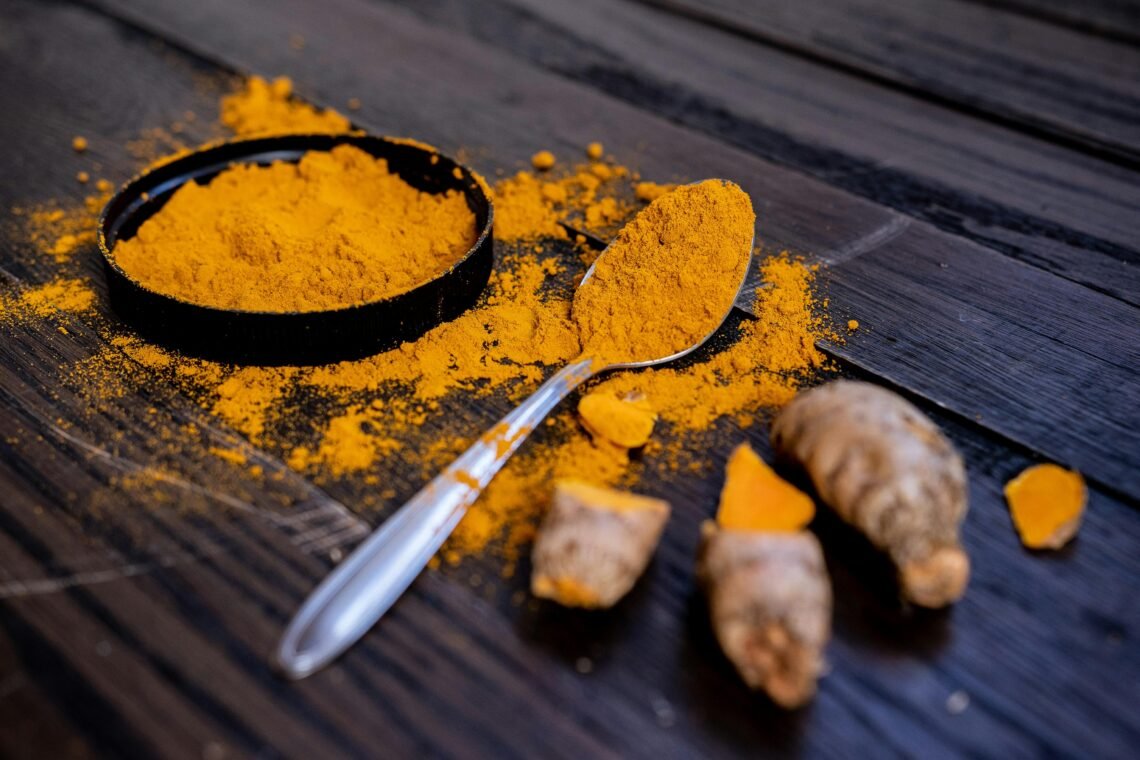
🌿 Turmeric (Curcumin)- reducing inflammation, easing pain, and promoting whole-body wellness.
Sarcoidosis is an inflammatory condition that can affect the lungs, skin, eyes, heart, nervous system, and more. Many people living with sarcoidosis experience chronic inflammation, pain, fatigue, and flare-ups that disrupt daily life.
While medical treatment is essential, many individuals seek natural ways to support their bodies alongside prescribed care. One of the most researched natural anti-inflammatory herbs is turmeric, particularly its active compound, curcumin.
In this article, we’ll explore how turmeric may help people with sarcoidosis, the benefits it offers, how to use it safely, and important precautions to consider.
What Is Turmeric?
Turmeric (Curcuma longa) is a bright yellow root commonly used in cooking and traditional medicine, especially in Ayurveda and Chinese medicine. Its primary medicinal compound, curcumin, is known for its:
- Anti-inflammatory properties
- Antioxidant activity
- Immune-modulating effects
Curcumin has been widely studied for inflammatory conditions such as arthritis, autoimmune disorders, and chronic inflammatory diseases.
How Turmeric May Help People With Sarcoidosis
1. Reduces Inflammation
Sarcoidosis is driven by chronic inflammation and granuloma formation. Curcumin helps regulate inflammatory pathways in the body, which may support:
- Reduced tissue inflammation
- Less joint and muscle pain
- Improved comfort during flare-ups
Many people with sarcoidosis use turmeric to help manage persistent aches and swelling.
2. Supports Lung Health
For those with pulmonary sarcoidosis, inflammation in the lungs can lead to coughing, shortness of breath, and chest discomfort. Curcumin’s anti-inflammatory and antioxidant properties may help protect lung tissue and reduce inflammatory stress.
3. Aids Joint & Muscle Pain
Musculoskeletal sarcoidosis can cause joint stiffness, muscle aches, and fatigue. Turmeric is commonly used for:
- Joint pain relief
- Improved mobility
- Reduced morning stiffness
4. Provides Antioxidant Protection
Chronic inflammation creates oxidative stress in the body. Curcumin helps neutralize free radicals and supports cellular health, which is especially important for those managing a long-term inflammatory condition.
How to Use Turmeric for Sarcoidosis
✔ Capsules or Supplements
Look for curcumin extracts with black pepper (piperine) to improve absorption.
Typical dose: 500–1,000 mg per day (always consult your doctor first).
✔ Turmeric Tea
A soothing option for inflammation and digestion.
Simple recipe:
- 1 tsp turmeric powder
- Hot water
- Optional: ginger, lemon, or honey
✔ Golden Milk
A warm, anti-inflammatory drink made with turmeric, plant milk, cinnamon, and ginger.
✔ Cooking
Add turmeric to soups, stews, rice dishes, smoothies, and vegetables.
Important Safety Considerations
⚠️ Always talk with your healthcare provider before using turmeric, especially if you are:
- Taking Prednisone, Methotrexate, or biologic medications
- Managing liver conditions
- On blood-thinning medications
Turmeric can interact with medications and may not be appropriate for everyone.
Who Should Avoid or Use Caution?
- People with gallbladder issues
- Those preparing for surgery (due to mild blood-thinning effects)
- Individuals advised to avoid immune-active supplements
Faith-Centered Encouragement
Natural remedies can support the body, but true healing flows from God:
“But I will restore you to health and heal your wounds, declares the Lord.” — Jeremiah 30:17
Turmeric is one of many tools that can help care for the body while walking in faith, wisdom, and obedience to medical guidance.
Final Thoughts
Turmeric is a powerful, natural anti-inflammatory herb that may help people living with sarcoidosis manage symptoms, reduce inflammation, and support overall wellness. When used safely and under medical guidance, it can be a meaningful addition to a holistic sarcoidosis care plan.