
What Is Sarcoidosis
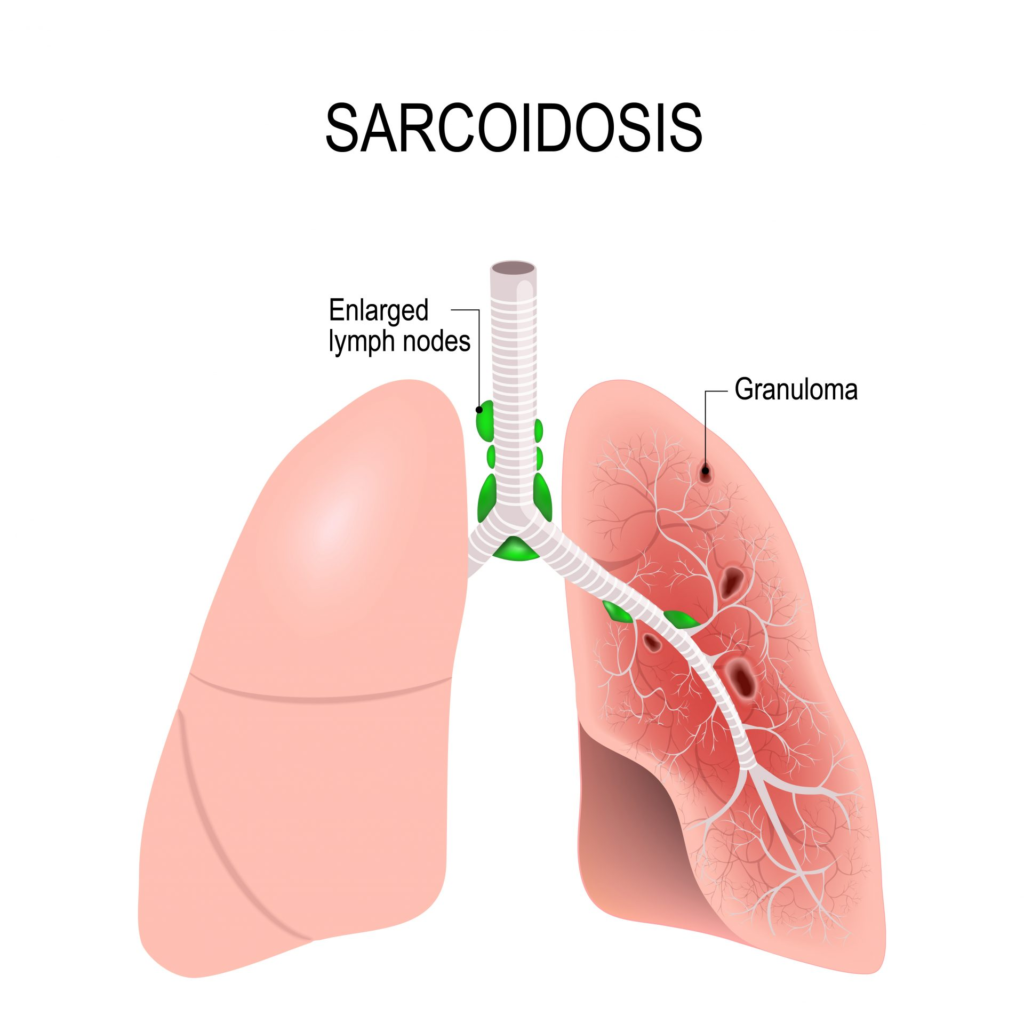
Sarcoidosis is a chronic inflammatory disease that occurs when tiny clusters of inflammatory cells—called granulomas—form in one or more organs of the body. These granulomas can interfere with normal organ function and may cause a wide range of symptoms, depending on where they develop and how severe the inflammation becomes.
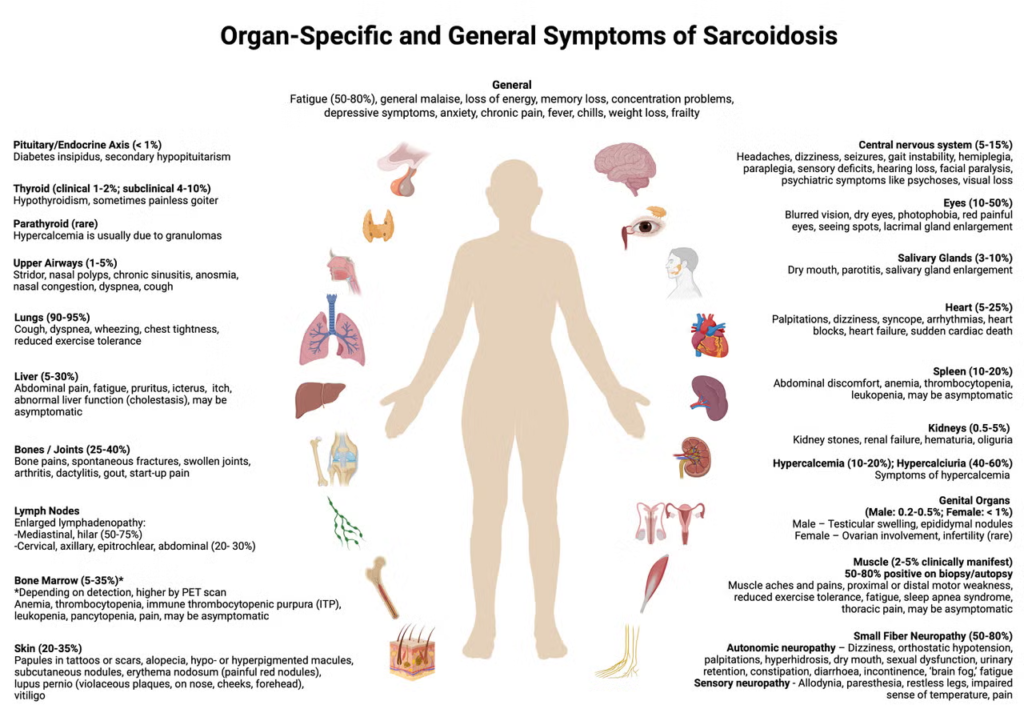
Sarcoidosis most commonly affects the lungs and lymph nodes, but it can also involve the skin, eyes, heart, nervous system, liver, kidneys, and joints. The disease varies greatly from person to person—some experience mild or no symptoms, while others face long-term or progressive complications.
What Causes Sarcoidosis?
The exact cause of sarcoidosis is unknown, but researchers believe it results from an overactive immune response. In people with sarcoidosis, the immune system reacts abnormally—possibly to an infection, environmental exposure, or toxin—leading to inflammation and granuloma formation.
Current research suggests sarcoidosis may be influenced by:
- Genetic predisposition
- Environmental or occupational exposures
- Bacterial or viral triggers
- Immune system dysregulation
Importantly, sarcoidosis is not contagious, and it is not considered a form of cancer or autoimmune disease—though it shares features with immune-related conditions.
Who Gets Sarcoidosis?
Sarcoidosis can affect anyone, but it is most commonly diagnosed in:
- Adults between 20 and 50 years old
- Women slightly more often than men
- People of African American descent, who may experience more severe disease
- Individuals with a family history of sarcoidosis
Common Symptoms of Sarcoidosis
Symptoms depend on the organs involved and may appear suddenly or develop gradually over time.
General (systemic) symptoms may include:
- Chronic fatigue
- Fever
- Unexplained weight loss
- Night sweats
- Joint or muscle pain
Organ-specific symptoms may include:
- Lungs: Shortness of breath, persistent cough, chest pain
- Skin: Rashes, nodules, or discolored patches
- Eyes: Redness, pain, blurred vision, light sensitivity
- Heart: Palpitations, fainting, chest pain
- Nervous system: Headaches, weakness, numbness, facial paralysis
Some people have no symptoms at all, and sarcoidosis is discovered incidentally during imaging tests or routine exams.
How Is Sarcoidosis Diagnosed?
There is no single test to diagnose sarcoidosis. Diagnosis usually involves a combination of:
- Medical history and physical exam
- Chest X-rays or CT scans
- Blood tests to check inflammation and organ function
- Pulmonary function tests
- Eye and heart evaluations
- Biopsy to confirm the presence of granulomas
Doctors must also rule out other conditions that can cause similar symptoms, such as infections or other inflammatory diseases.
Is Sarcoidosis Curable?
There is no known cure for sarcoidosis, but many people experience remission, meaning symptoms improve or disappear over time—sometimes without treatment.
For others, sarcoidosis can be chronic, requiring ongoing management to control inflammation, relieve symptoms, and prevent organ damage.
Treatment Options for Sarcoidosis
Treatment depends on:
- Severity of symptoms
- Organs affected
- Impact on daily life and organ function
Common treatment approaches include:
- Careful monitoring (for mild cases)
- Anti-inflammatory medications (such as corticosteroids)
- Immunosuppressive or steroid-sparing medications
- Symptom management (fatigue, pain, breathing issues)
Many people also explore holistic and lifestyle-based support, such as nutrition, stress reduction, gentle movement, sleep support, and faith-based or emotional wellness practices as part of their overall care plan.
⚠️ Always consult a qualified healthcare provider before starting or changing any treatment plan.
Living With Sarcoidosis
Sarcoidosis is often described as an invisible illness—symptoms like fatigue, pain, and brain fog may not be obvious to others but can significantly affect quality of life.
Living well with sarcoidosis often includes:
- Learning about the condition
- Tracking symptoms and triggers
- Building a strong medical and support team
- Prioritizing rest and self-care
- Seeking emotional, spiritual, and community support
With the right care and support, many people with sarcoidosis lead full and meaningful lives.
A Message of Hope
If you or someone you love has been diagnosed with sarcoidosis, know that you are not alone. Research continues to advance, awareness is growing, and supportive communities exist to help you navigate this journey with knowledge, strength, and hope.