
Mental Health
The Importance of Mental Health for People Living With Sarcoidosis
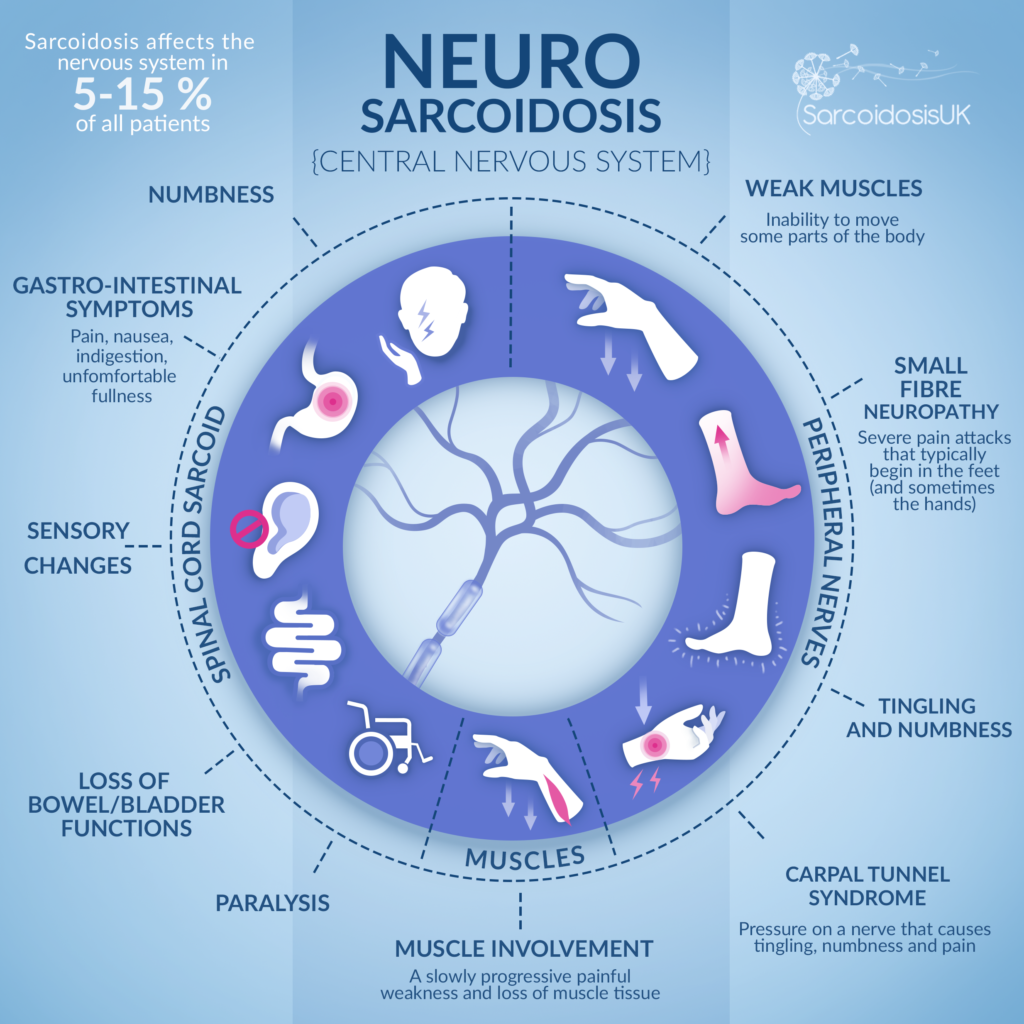
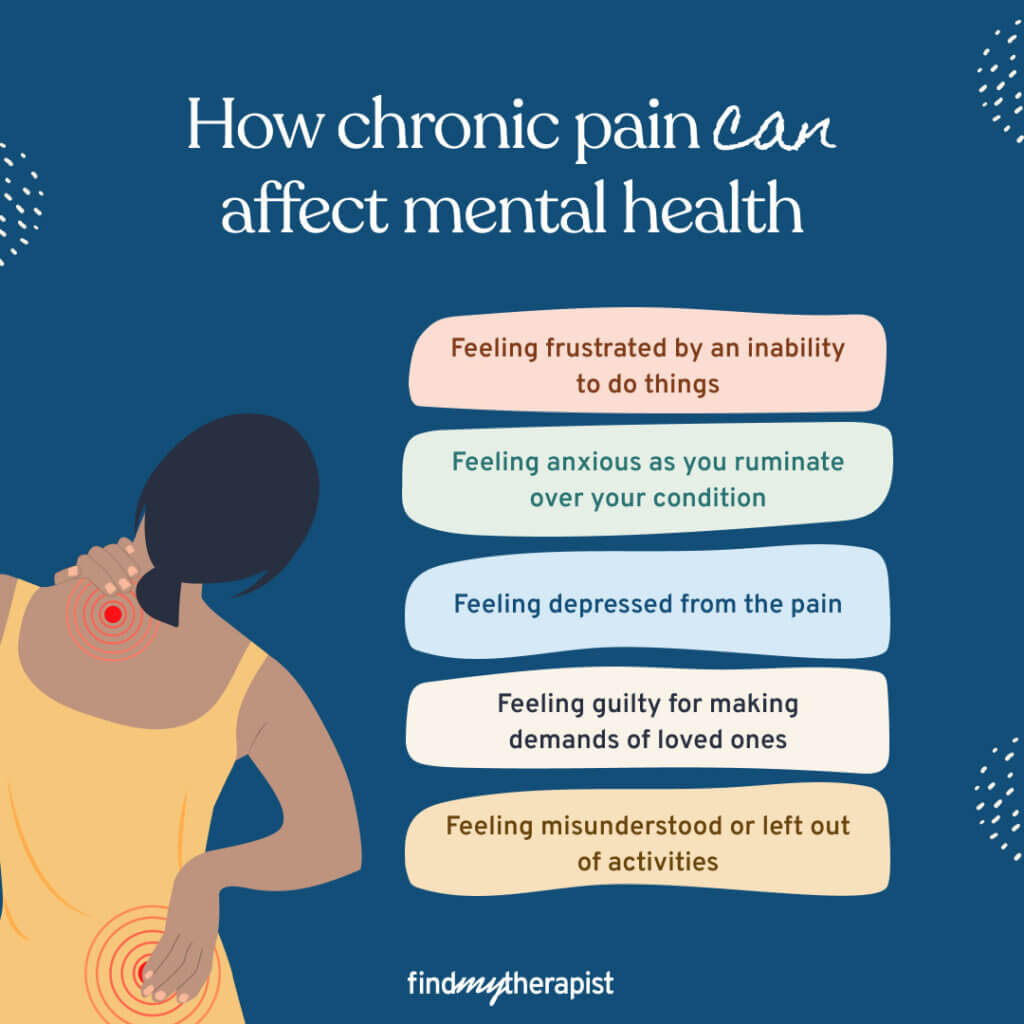
Living with sarcoidosis is more than managing physical symptoms—it also involves navigating emotional, psychological, and social challenges that can deeply affect mental health. Because sarcoidosis is often unpredictable, chronic, and sometimes misunderstood, many individuals experience stress, anxiety, depression, grief, and emotional exhaustion alongside their physical symptoms. Prioritizing mental health is not optional—it is a vital part of whole-person care and long-term well-being.
Why Mental Health Matters in Sarcoidosis
Sarcoidosis can affect multiple organs and often comes with fluctuating symptoms such as fatigue, pain, shortness of breath, brain fog, skin changes, and medication side effects (especially from steroids). These realities can impact mental health in several ways:
- Chronic uncertainty: Not knowing when symptoms will flare or how the disease will progress can lead to ongoing anxiety.
- Invisible illness burden: Feeling misunderstood or dismissed because symptoms aren’t always visible can cause isolation and emotional distress.
- Medication side effects: Treatments like corticosteroids may contribute to mood swings, irritability, insomnia, anxiety, or depression.
- Loss of identity or independence: Changes in work capacity, physical ability, or daily routines can affect self-esteem and sense of purpose.
- Grief and adjustment: Many people grieve the life they had before diagnosis while learning to adapt to a “new normal.”
Mental health challenges are not a personal weakness—they are a natural response to living with a complex, long-term condition.
Common Mental Health Challenges
People with sarcoidosis may experience:
- Anxiety or panic
- Depression or persistent sadness
- Chronic stress
- Emotional numbness or burnout
- Fear of disease progression
- Sleep disturbances
- Cognitive overwhelm or “brain fog”
- Feelings of loneliness or being a burden
Recognizing these challenges early can help prevent them from becoming overwhelming.
Tips to Improve Mental Health While Living With Sarcoidosis
1. Acknowledge Your Emotional Experience
Give yourself permission to feel what you feel. Suppressing emotions often intensifies them. Journaling, prayer, creative expression, or simply naming your emotions can be powerful first steps.
2. Build a Support System
You don’t have to carry this alone.
- Connect with trusted family or friends
- Join sarcoidosis or chronic illness support groups (online or in-person)
- Seek community spaces that offer understanding and encouragement
Being heard and validated reduces emotional isolation.
3. Practice Gentle Stress Management
Chronic stress can worsen both mental and physical symptoms. Try:
- Deep breathing or grounding exercises
- Mindfulness or meditation
- Gentle stretching or restorative movement
- Spending time in nature
- Listening to calming music or guided relaxation
Even 5–10 minutes a day can make a difference.
4. Prioritize Rest Without Guilt
Fatigue is a real symptom of sarcoidosis. Rest is not laziness—it is medical self-care. Learning to pace yourself and honor your energy limits protects both mental and physical health.
5. Seek Professional Mental Health Support
Therapists, counselors, or coaches familiar with chronic illness can help you:
- Process grief and fear
- Develop coping strategies
- Improve emotional regulation
- Navigate relationship or work stress
Mental health care is part of comprehensive sarcoidosis care.
6. Nourish Your Mind and Body
Balanced nutrition, hydration, and regular sleep routines support brain health and emotional stability. Avoid self-judgment when symptoms disrupt your routines—adaptation is strength.
7. Stay Spiritually or Purposefully Connected
For many, faith, spirituality, or a sense of purpose provides comfort and resilience. Prayer, devotionals, affirmations, or values-based living can help anchor you during difficult seasons.
8. Set Realistic, Compassionate Goals
Focus on what you can do—not what you’ve lost. Small, achievable goals help restore confidence and give a sense of forward movement.
The Mind–Body Connection
Mental health and physical health are deeply connected. Chronic stress, anxiety, and depression can influence inflammation, immune function, sleep quality, and pain perception. Caring for your mental health can:
- Improve coping with symptoms
- Enhance treatment adherence
- Reduce flare-related stress
- Improve overall quality of life
A Message of Hope
Living with sarcoidosis is challenging—but you are not broken, weak, or alone. Taking care of your mental health is an act of courage and self-respect. Healing does not always mean curing the disease; sometimes it means learning how to live well, supported, and whole—mind, body, and spirit.