
Living With Sarcoidosis
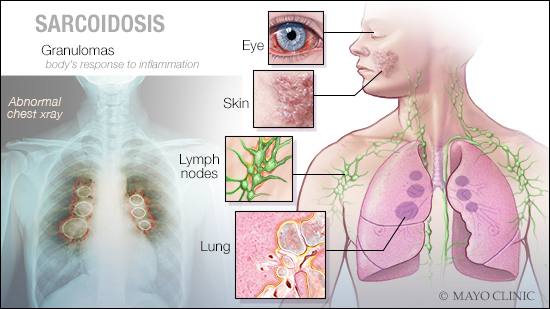

Living with sarcoidosis can feel overwhelming, especially when symptoms change from day to day. Some people experience only mild symptoms, while others face chronic inflammation that affects their lungs, skin, eyes, heart, or other organs.
While there is currently no cure, many people learn to successfully manage their condition and still live fulfilling, active lives. Understanding the condition, learning how to manage symptoms, and building a support system are key steps toward improving your quality of life.
Understanding Daily Life with Sarcoidosis
Sarcoidosis is an inflammatory disease that causes tiny clusters of immune cells called granulomas to form in different organs. These granulomas can disrupt normal organ function and cause symptoms that vary widely from person to person.
For many people, the lungs are the most commonly affected organ. This can lead to symptoms such as:
- Shortness of breath
- Chronic coughing
- Chest discomfort
- Extreme fatigue
- Muscle or joint pain
- Skin rashes or lesions
- Eye irritation or vision issues
One of the biggest challenges of living with sarcoidosis is its unpredictability. Symptoms may flare up and improve without warning, which can make daily planning difficult.
Managing Fatigue and Low Energy
Fatigue is one of the most common and frustrating symptoms of sarcoidosis. Many people describe it as more than just being tired—it can feel like complete physical and mental exhaustion.
Helpful strategies include:
Pacing yourself
Break tasks into smaller steps and allow time for rest between activities.
Prioritizing important tasks
Focus on what truly needs to be done each day rather than pushing yourself beyond your limits.
Getting quality sleep
Maintaining a consistent sleep routine can help your body recover.
Light physical activity
Gentle exercise such as walking or stretching may improve energy levels and lung function.
Managing Breathing and Lung Symptoms
If sarcoidosis affects your lungs, breathing issues may become part of daily life. Fortunately, several therapies can help support lung health.
These may include:
- Pulmonary rehabilitation programs
- Breathing exercises
- Oxygen therapy if oxygen levels are low
- Anti-inflammatory medications prescribed by a doctor
Practicing deep breathing exercises can also help strengthen lung capacity over time.
Nutrition and Lifestyle for Inflammation
Because sarcoidosis involves inflammation, many people find that lifestyle choices play an important role in symptom management.
Anti-inflammatory habits may include:
Eating nutrient-rich foods
Focus on foods that support immune and lung health such as:
- Leafy greens
- Berries
- Turmeric and ginger
- Fatty fish rich in omega-3s
- Nuts and seeds
Staying hydrated
Water helps the body flush toxins and supports overall health.
Reducing inflammatory foods
Some people try limiting:
- Highly processed foods
- Excess sugar
- Fried foods
- Excess dairy
Everyone’s body is different, so it may take time to discover what works best for you.
Mental and Emotional Health
Living with a chronic illness can affect more than just the body. Many people with sarcoidosis experience:
- Anxiety
- Depression
- Fear about the future
- Frustration from physical limitations
These feelings are normal and valid. Emotional support is an important part of healing.
Helpful steps include:
- Talking with a counselor or therapist
- Joining a sarcoidosis support group
- Practicing prayer or meditation
- Journaling your thoughts and experiences
Faith and spiritual support can also provide comfort and strength during difficult seasons.
Building a Support System
No one should face sarcoidosis alone. A strong support network can make a tremendous difference.
Support may come from:
- Family and friends
- Healthcare providers
- Online sarcoidosis communities
- Local support groups
- Faith communities
Connecting with others who understand the condition can provide encouragement, advice, and hope.
Working with Your Healthcare Team
Regular medical care is important for monitoring the condition and preventing complications.
Depending on which organs are affected, your healthcare team may include:
- Pulmonologists (lung specialists)
- Cardiologists (heart specialists)
- Dermatologists (skin specialists)
- Ophthalmologists (eye specialists)
Regular checkups, imaging tests, and lab work help doctors track disease progression and adjust treatments when needed.
Finding Hope and Strength
Although living with sarcoidosis can be challenging, many people learn to adapt and continue pursuing meaningful lives.
By focusing on symptom management, healthy lifestyle choices, emotional well-being, and support from others, it is possible to build a life that is still full of purpose and hope.
Remember, you are not defined by your diagnosis. With the right care, knowledge, and support, you can continue to move forward one day at a time.