Healthy Eating


Healthy Eating for People Living With Sarcoidosis
Living with sarcoidosis can be physically, emotionally, and mentally demanding. While there is no single diet that can cure sarcoidosis, healthy, intentional eating plays a powerful role in managing inflammation, supporting organ health, maintaining energy, and improving overall quality of life. Many people with sarcoidosis also face medication side effects—such as weight gain, blood sugar changes, bone loss, and digestive issues—which makes nutrition even more important.
This page offers practical, gentle, and realistic nutrition guidance designed specifically for people living with sarcoidosis.
Why Nutrition Matters in Sarcoidosis
Sarcoidosis is an inflammatory condition, and chronic inflammation can affect multiple organs including the lungs, heart, skin, eyes, joints, liver, kidneys, and nervous system. A supportive eating plan can help:
- Reduce systemic inflammation
- Support immune system balance
- Protect organs commonly affected by sarcoidosis
- Counteract side effects of steroids and other medications
- Improve digestion, energy, and mood
- Support bone, heart, and metabolic health
Food becomes part of your daily self-care and healing routine.
Core Principles of a Sarcoidosis-Friendly Diet
Rather than strict rules, focus on whole, nourishing foods that support the body’s natural healing processes.
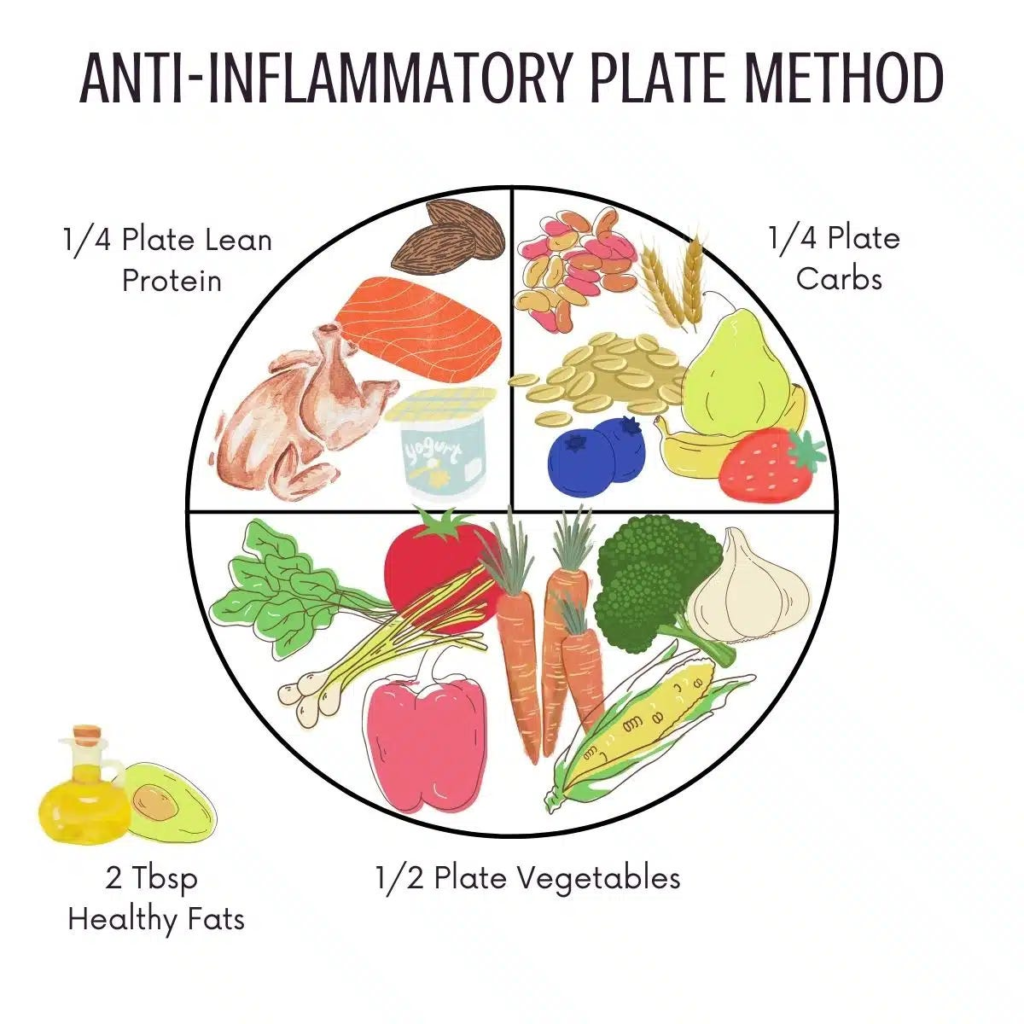
1. Focus on Anti-Inflammatory Foods
Inflammation is central to sarcoidosis, so prioritizing anti-inflammatory foods is key.
Include more of:
- Leafy greens (spinach, kale, Swiss chard)
- Colorful vegetables (broccoli, bell peppers, carrots)
- Berries (blueberries, strawberries, raspberries)
- Fatty fish (salmon, sardines, mackerel)
- Extra virgin olive oil
- Nuts and seeds (walnuts, chia, flax)
- Herbs and spices (turmeric, ginger, garlic)
2. Choose Whole, Unprocessed Foods
Highly processed foods can increase inflammation and worsen fatigue.
Aim to limit:
- Processed snacks and fast food
- Refined sugars and white flour
- Artificial sweeteners and additives
- Sugary drinks and sodas
Instead choose:
- Whole grains (quinoa, brown rice, oats)
- Fresh or frozen vegetables and fruits
- Clean protein sources
- Simple, home-cooked meals whenever possible
3. Prioritize Lean, High-Quality Protein
Protein supports muscle strength, immune repair, and healing—especially important for those dealing with fatigue or muscle weakness.
Good protein options:
- Fish and seafood
- Skinless poultry
- Eggs (if tolerated)
- Beans and lentils
- Organic tofu or tempeh
- Greek yogurt or plant-based alternatives
4. Support Bone Health (Especially If on Steroids)
Long-term steroid use can weaken bones and increase fracture risk.
Bone-supportive nutrients include:
- Calcium (leafy greens, fortified plant milks)
- Vitamin D (fatty fish, fortified foods, sunlight)
- Magnesium (nuts, seeds, whole grains)
- Vitamin K (greens like kale and spinach)
👉 Avoid excessive calcium supplementation unless guided by a healthcare provider, as sarcoidosis can affect calcium metabolism.
5. Balance Blood Sugar & Weight
Steroids may increase appetite, blood sugar, and weight gain.
Helpful strategies:
- Eat balanced meals with protein, fiber, and healthy fats
- Avoid skipping meals
- Choose complex carbohydrates over refined carbs
- Practice mindful eating and portion awareness
6. Support Gut Health
Digestive issues and immune health are closely connected.
Gut-friendly foods include:
- Fermented foods (yogurt, kefir, sauerkraut)
- Fiber-rich foods (vegetables, oats, legumes)
- Adequate hydration
- Gentle herbal teas (ginger, chamomile, peppermint)
Foods to Approach With Caution
Everyone with sarcoidosis is different, but some foods may worsen symptoms for certain individuals:
- Excessive dairy (may increase mucus or inflammation for some)
- Highly salty foods (especially with steroid-related fluid retention)
- Alcohol (can strain liver and immune function)
- Excessive calcium intake without medical guidance
👉 Keep a food and symptom journal to identify personal triggers.
Hydration Matters
Proper hydration supports kidney function, digestion, circulation, and fatigue management.
Tips:
- Aim for water throughout the day
- Add lemon, cucumber, or herbs for flavor
- Limit sugary and caffeinated drinks if they worsen symptoms
Gentle, Sustainable Eating — Not Perfection
Healthy eating with sarcoidosis is not about restriction or perfection. It’s about listening to your body, making supportive choices, and allowing flexibility during flare-ups or low-energy days.
Some days, simple meals are enough—and that’s okay.
A Faith-Forward Encouragement
Caring for your body through nourishment can be an act of faith, gratitude, and self-compassion. Small, consistent choices can bring strength, clarity, and renewed hope—even on difficult days.
Final Thoughts
Healthy eating is a powerful tool for people living with sarcoidosis. When paired with medical care, rest, movement, and emotional support, nutrition can help you feel stronger, more balanced, and more in control of your wellness journey.
Click for Great Recipes-
Breakfast
Lunch
Dinner


Snacks
Smoothies