
Systemic/Multi Organ
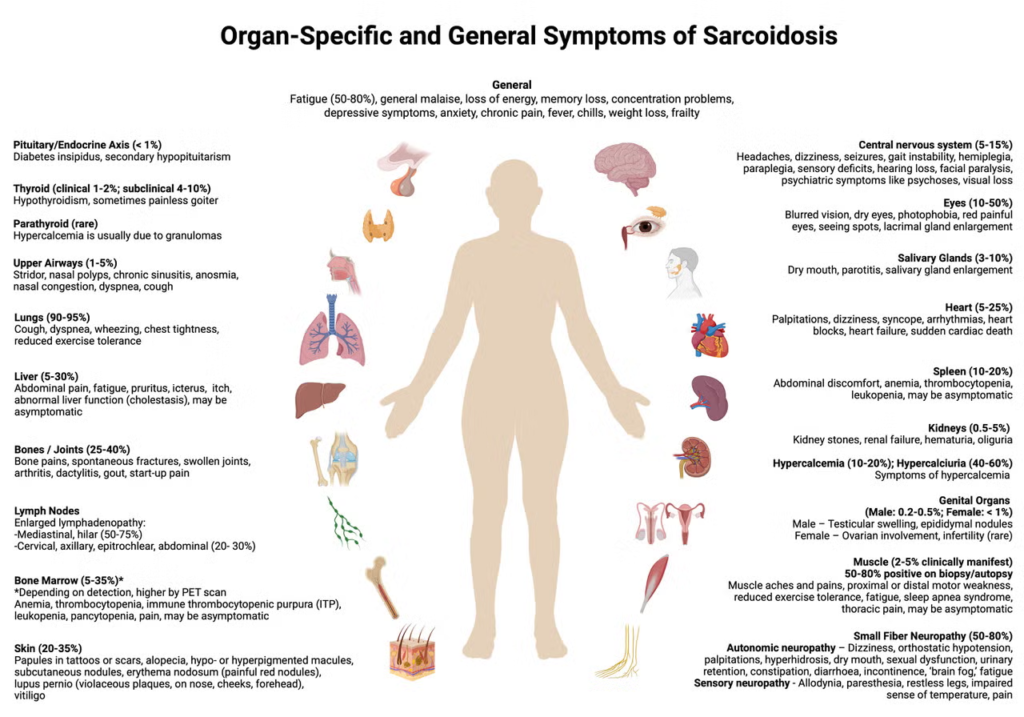
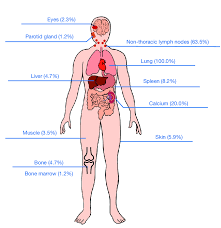
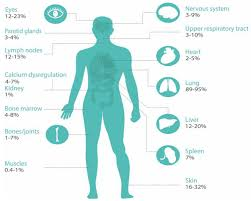
Systemic sarcoidosis, also called multi-organ sarcoidosis, occurs when sarcoidosis affects two or more organs at the same time. Because sarcoidosis is an inflammatory condition that can form clusters of immune cells called granulomas, it has the potential to involve nearly any organ system in the body. This form can be more complex and challenging to manage due to its widespread impact.
What Makes Sarcoidosis “Systemic”?
Sarcoidosis is considered systemic when inflammation and granulomas are present across multiple organs rather than being confined to one area (such as only the lungs or skin). Many people with sarcoidosis technically have systemic disease, even if symptoms are mild in some organs.
Common Organs Affected in Multi-Organ Sarcoidosis
Systemic sarcoidosis may involve a combination of the following:
- Lungs – Shortness of breath, chronic cough, chest tightness
- Lymph Nodes – Swelling (especially in chest, neck, or underarms)
- Skin – Rashes, nodules, discoloration, or painful lesions
- Eyes – Redness, dryness, blurred vision, light sensitivity
- Heart – Palpitations, arrhythmias, fainting, heart failure symptoms
- Nervous System – Headaches, seizures, facial paralysis, cognitive issues
- Liver & Spleen – Enlargement, abnormal liver enzymes, fatigue
- Kidneys – Calcium imbalance, kidney stones, reduced kidney function
- Joints & Muscles – Pain, stiffness, weakness, swelling
Each person’s combination of affected organs can be different, making the condition highly individualized.
Symptoms of Systemic Sarcoidosis
In addition to organ-specific symptoms, people with multi-organ sarcoidosis often experience whole-body (systemic) symptoms, including:
- Chronic fatigue
- Fever or low-grade fevers
- Night sweats
- Unexplained weight loss or weight gain
- Brain fog or difficulty concentrating
- Depression or anxiety related to chronic illness
These symptoms can significantly impact daily life and overall quality of life.
Diagnosis Challenges
Diagnosing systemic sarcoidosis often requires a multidisciplinary approach, which may include:
- Imaging (X-rays, CT scans, MRIs)
- Blood and urine tests (including calcium and inflammatory markers)
- Biopsies of affected tissue
- Heart monitoring or neurological testing when needed
Because symptoms can mimic other autoimmune or inflammatory conditions, diagnosis may take time.
Treatment & Management
Treatment depends on:
- Which organs are involved
- Severity of inflammation
- Risk of permanent organ damage
Common management strategies include:
- Corticosteroids to reduce inflammation
- Immunosuppressive or steroid-sparing medications
- Lifestyle and dietary support focused on reducing inflammation
- Regular monitoring of organs at risk (heart, eyes, kidneys, nervous system)
Some people may experience remission, while others live with chronic systemic sarcoidosis that requires long-term care.
Living With Systemic Sarcoidosis
Living with multi-organ sarcoidosis often requires:
- Coordinated care among specialists
- Listening to your body and pacing activities
- Managing stress and mental health
- Advocating for yourself in medical settings
Support, education, and faith-based or emotional encouragement can play a powerful role in resilience and healing.
Hope & Outlook
Although systemic sarcoidosis can feel overwhelming, many people learn to manage their symptoms and live fulfilling lives. Advances in research, better awareness, and holistic care approaches continue to improve outcomes.
You are more than your diagnosis. With the right care, knowledge, and support, strength and hope are still possible.