
Renal (Kidneys)
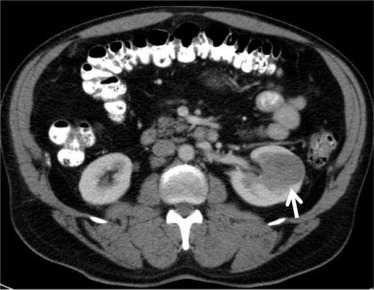
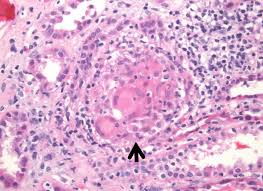
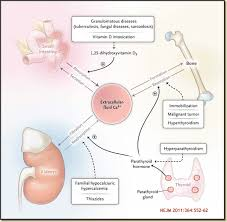
Renal sarcoidosis occurs when sarcoidosis affects the kidneys. Although less common than lung involvement, kidney complications can be serious and sometimes life-threatening if not recognized and treated early. Understanding how sarcoidosis impacts kidney function empowers patients to seek timely care and protect long-term health.
What Is Renal Sarcoidosis?
Renal sarcoidosis is kidney involvement caused by granulomas (clusters of inflammatory cells) or by metabolic changes related to sarcoidosis—most commonly elevated calcium levels. Kidney damage may develop silently, meaning some people have few or no symptoms until kidney function is significantly affected.
How Sarcoidosis Affects the Kidneys
Sarcoidosis can impair the kidneys in several ways:
1. Granulomatous Interstitial Nephritis
Granulomas form in the kidney tissue, causing inflammation and scarring that interferes with the kidneys’ ability to filter waste.
2. Hypercalcemia & Hypercalciuria
Sarcoidosis can increase vitamin D activation, leading to:
- High calcium in the blood (hypercalcemia)
- High calcium in the urine (hypercalciuria)
Excess calcium strains the kidneys and increases the risk of stones and kidney damage.
3. Kidney Stones
High calcium levels can cause recurrent kidney stones, which may block urine flow and damage kidney tissue.
4. Nephrocalcinosis
Calcium deposits may accumulate within kidney tissue, gradually reducing kidney function.
5. Chronic Kidney Disease (CKD)
Long-term inflammation or untreated calcium imbalances can lead to permanent kidney damage and reduced kidney function over time.
Common Symptoms of Renal Sarcoidosis
Some people experience no symptoms early on. When symptoms occur, they may include:
- Fatigue or weakness
- Frequent urination or excessive thirst
- Flank or lower back pain
- Swelling in the legs, ankles, or face
- Nausea or vomiting
- Kidney stones (painful urination or blood in urine)
- Confusion or muscle weakness (from high calcium)
⚠️ Important: Symptoms may be subtle—routine lab work is often how kidney involvement is first detected.
How Renal Sarcoidosis Is Diagnosed
Diagnosis usually involves a combination of tests:
- Blood tests: creatinine, BUN, calcium, vitamin D levels
- Urine tests: protein, calcium levels
- Imaging: ultrasound or CT scan to check kidney structure
- Kidney biopsy: may be required to confirm granulomas
- Monitoring of sarcoidosis activity in other organs
Treatment Options
Treatment depends on severity and kidney function:
Medical Treatment
- Corticosteroids (e.g., prednisone): first-line treatment to reduce inflammation
- Steroid-sparing medications: methotrexate, azathioprine, or mycophenolate in chronic cases
- Medications to control calcium levels
- Blood pressure control to protect kidney health
Lifestyle & Supportive Care
- Stay well-hydrated
- Limit calcium and vitamin D intake if advised by your provider
- Avoid excessive sun exposure (can increase vitamin D activation)
- Follow kidney-friendly dietary recommendations
- Regular lab monitoring
Complications to Watch For
Without proper management, renal sarcoidosis can lead to:
- Progressive kidney failure
- Recurrent kidney stones
- Need for dialysis or kidney transplant (in severe cases)
Early treatment significantly improves outcomes.
Living With Renal Sarcoidosis
Living with kidney involvement can feel overwhelming, but many people stabilize or improve with proper treatment and monitoring. Building a care team that includes a nephrologist, pulmonologist, and sarcoidosis specialist is key.
💙 Faith & Encouragement
For many, faith provides strength during chronic illness. Taking each day with prayer, hope, and trusted support can bring peace even during uncertainty. You are not alone—your journey has purpose, and healing includes both body and spirit.
When to Seek Medical Attention
Seek immediate care if you experience:
- Severe back or side pain
- Confusion or extreme fatigue
- Sudden swelling
- Significant changes in urination
Final Thoughts
Renal sarcoidosis is serious but manageable. With early detection, proper treatment, and lifestyle support, many individuals maintain kidney function and quality of life. Staying informed and proactive is one of the strongest tools you have on this journey.