
Hepatic(Liver & Spleen)
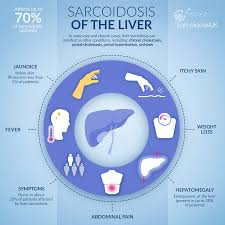
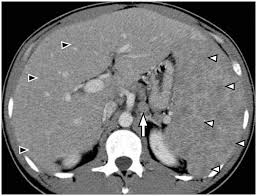
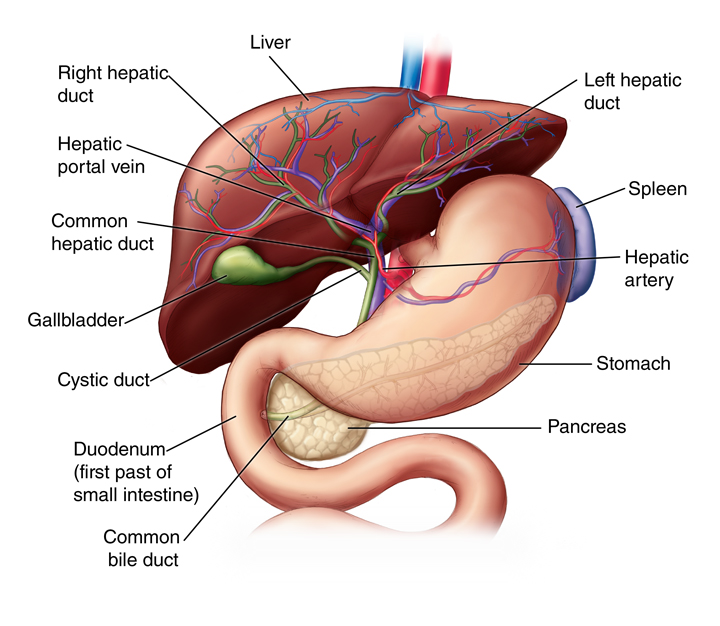
Hepatic and splenic sarcoidosis refers to sarcoidosis that affects the liver (hepatic) and spleen (splenic). While many people with sarcoidosis have some degree of liver or spleen involvement, these forms are often underdiagnosed because symptoms may be mild or absent in the early stages. Despite this, liver and spleen involvement can significantly impact metabolism, immune function, energy levels, and overall quality of life.
What Happens in the Liver and Spleen?
Sarcoidosis causes the formation of noncaseating granulomas—clusters of inflammatory cells. When these granulomas develop in the liver or spleen, they can interfere with normal organ function.
- Liver: Granulomas may disrupt bile flow, enzyme balance, and detoxification processes.
- Spleen: Granulomas can lead to spleen enlargement and altered blood cell regulation.
Hepatic Sarcoidosis (Liver Involvement)
Common Features
- Often asymptomatic initially
- Frequently discovered through abnormal liver blood tests
- Can range from mild inflammation to advanced liver disease in rare cases
Possible Symptoms
- Fatigue and weakness
- Right upper abdominal discomfort
- Nausea or loss of appetite
- Itching (pruritus)
- Jaundice (yellowing of skin or eyes) in advanced cases
- Unexplained weight loss
Lab & Imaging Findings
- Elevated alkaline phosphatase (ALP) and GGT
- Mild elevation of AST/ALT
- Enlarged liver (hepatomegaly) on ultrasound or CT
- Liver biopsy may confirm granulomas if diagnosis is unclear
Potential Complications (Rare but Serious)
- Chronic cholestasis (bile flow blockage)
- Portal hypertension
- Liver fibrosis or cirrhosis
- Liver failure (very rare)
Splenic Sarcoidosis (Spleen Involvement)
Common Features
- Often occurs alongside liver involvement
- Spleen may become enlarged (splenomegaly)
Possible Symptoms
- Left upper abdominal fullness or pain
- Early satiety (feeling full quickly)
- Fatigue
- Frequent infections
- Easy bruising or bleeding
Blood-Related Effects
Because the spleen helps regulate blood cells, splenic sarcoidosis may cause:
- Low white blood cells (leukopenia)
- Low platelets (thrombocytopenia)
- Anemia
Diagnosis
Diagnosis typically involves a combination of:
- Blood tests (liver enzymes, blood counts)
- Imaging (ultrasound, CT, MRI)
- Exclusion of other liver diseases (hepatitis, fatty liver, autoimmune conditions)
- Biopsy (when needed)
Treatment Options
When Treatment Is Needed
Not all cases require treatment. Doctors may monitor if:
- Symptoms are mild or absent
- Liver function is stable
- No complications are present
Medical Treatment
- Corticosteroids (e.g., prednisone) for active inflammation
- Steroid-sparing agents (methotrexate, azathioprine) in chronic cases
- Ursodeoxycholic acid (UDCA) for bile-related symptoms
- Regular monitoring of liver enzymes and blood counts
⚠️ Treatment decisions are highly individualized and should be guided by a specialist familiar with sarcoidosis.
Lifestyle & Supportive Care
For people living with hepatic or splenic sarcoidosis:
- Follow an anti-inflammatory diet
- Limit or avoid alcohol
- Maintain a healthy weight
- Stay hydrated
- Monitor medications that stress the liver
- Manage fatigue with pacing and rest
- Address emotional and mental health impacts
Faith, Hope & Living Well
Living with organ-involved sarcoidosis can feel overwhelming—especially when symptoms are invisible to others. Many find strength through:
- Faith and prayer
- Support groups
- Education and self-advocacy
- Gentle lifestyle adjustments
You are not alone, and with proper monitoring and care, many people with hepatic and splenic sarcoidosis live full, meaningful lives.