
Musculoskeletal
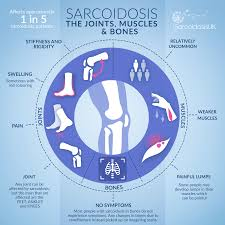
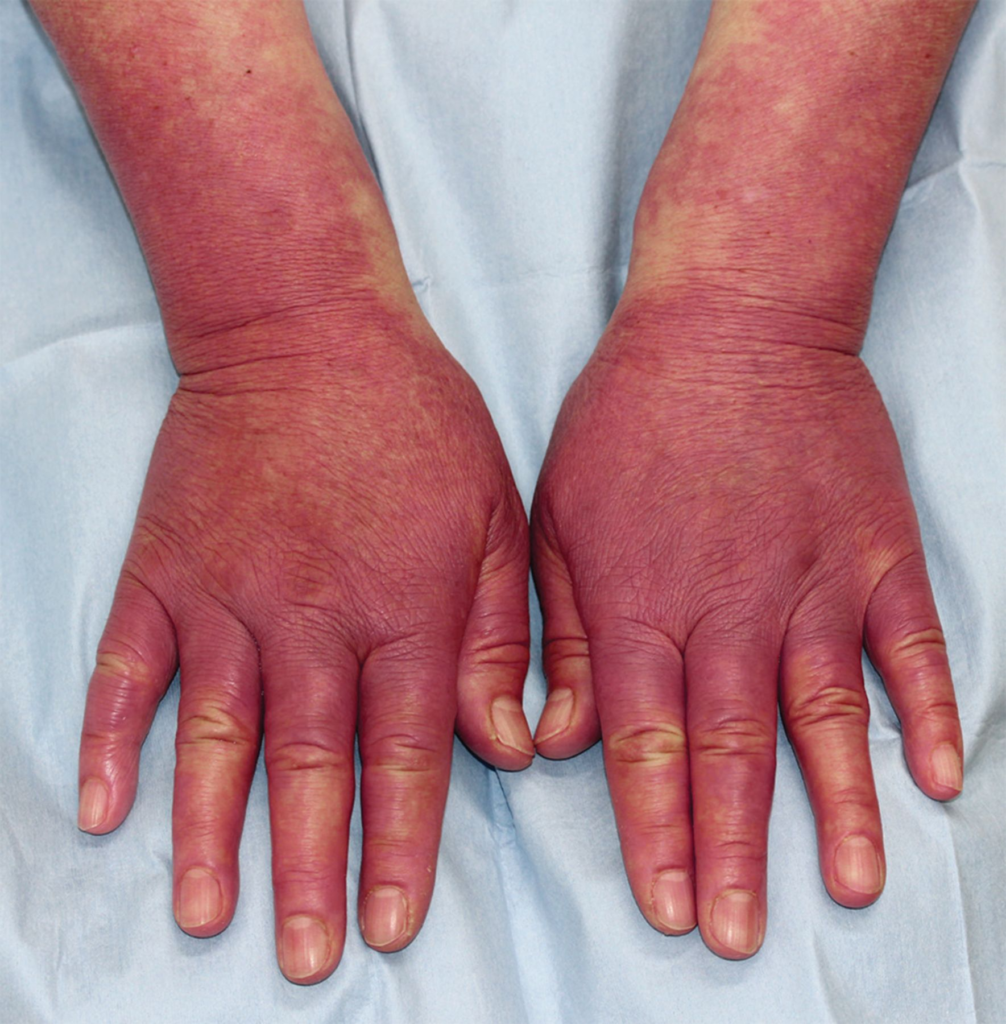
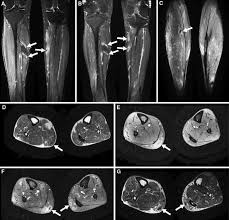
Musculoskeletal sarcoidosis affects the joints, muscles, and bones, causing pain, stiffness, weakness, and mobility challenges. While sarcoidosis most commonly impacts the lungs, musculoskeletal involvement is relatively common and can significantly affect daily functioning and quality of life.
This form of sarcoidosis may appear early in the disease process or develop later and can range from mild, temporary discomfort to chronic, debilitating symptoms.
How Sarcoidosis Affects the Musculoskeletal System
Sarcoidosis is characterized by granulomas—clusters of inflammatory cells—that can form in musculoskeletal tissues. These granulomas disrupt normal structure and function, leading to inflammation, pain, and tissue damage.
Areas Commonly Affected
- Joints (Sarcoid Arthritis)
- Muscles (Sarcoid Myopathy)
- Bones (Osseous Sarcoidosis)
Sarcoidosis and the Joints (Sarcoid Arthritis)
Joint involvement is one of the most common musculoskeletal manifestations.
Common Symptoms
- Joint pain and tenderness
- Swelling and warmth
- Morning stiffness
- Reduced range of motion
- Fatigue with movement
Frequently Affected Joints
- Ankles (most common)
- Knees
- Wrists
- Hands
- Elbows
Types of Joint Involvement
- Acute arthritis: Sudden onset, often linked with erythema nodosum; may resolve within months
- Chronic arthritis: Persistent inflammation that can mimic rheumatoid arthritis and lead to joint damage
Sarcoidosis and the Muscles (Sarcoid Myopathy)
Muscle involvement may be underdiagnosed because symptoms can be subtle or mistaken for general fatigue.
Common Symptoms
- Muscle weakness (especially in thighs and shoulders)
- Muscle pain or tenderness
- Muscle cramps
- Difficulty climbing stairs or lifting objects
- Muscle fatigue that worsens with activity
Forms of Muscle Involvement
- Chronic myopathy: Gradual muscle weakness over time
- Acute myositis: Painful muscle inflammation with elevated muscle enzymes
- Nodular myopathy: Rare, localized muscle lumps
Sarcoidosis and the Bones (Osseous Sarcoidosis)
Bone involvement is less common but can be serious if untreated.
Common Symptoms
- Deep bone pain
- Swelling near affected bones
- Tenderness
- Fracture risk (rare but possible)
- Sometimes asymptomatic and found on imaging
Commonly Affected Bones
- Fingers and toes (small bones of hands and feet)
- Spine
- Pelvis
- Long bones (less frequently)
Diagnosis of Musculoskeletal Sarcoidosis
Diagnosis often involves a combination of clinical evaluation and imaging:
Diagnostic Tools
- X-rays or CT scans (bone changes)
- MRI (muscle inflammation)
- Ultrasound (joint swelling)
- Blood tests (inflammatory markers)
- Muscle or bone biopsy (confirmation)
- PET scans to assess inflammation activity
Treatment Options
Treatment is individualized based on symptom severity and organ involvement.
Conventional Medical Treatments
- Corticosteroids to reduce inflammation
- Methotrexate or azathioprine for chronic disease
- NSAIDs for pain and inflammation
- Biologic therapies in severe cases
Long-term steroid use may worsen muscle weakness and bone density, so careful monitoring is essential.
Supportive & Lifestyle Management
Physical & Occupational Therapy
- Maintain joint mobility
- Improve muscle strength
- Prevent stiffness and deformity
Gentle Exercise (Doctor-Approved)
- Walking
- Stretching
- Water aerobics
- Yoga or tai chi (modified)
Nutrition Support
- Anti-inflammatory diet
- Adequate protein for muscle repair
- Calcium and vitamin D (only under medical guidance due to calcium metabolism issues in sarcoidosis)
Daily Living Challenges
Musculoskeletal sarcoidosis can impact:
- Mobility and independence
- Ability to work or exercise
- Sleep due to pain
- Mental and emotional health
Pain management, pacing activities, and emotional support are key components of care.
When to Seek Medical Attention
Contact a healthcare provider if you experience:
- Persistent or worsening joint pain
- Progressive muscle weakness
- Bone pain without injury
- Sudden mobility loss
- Signs of fractures or deformities
Living Well With Musculoskeletal Sarcoidosis
While musculoskeletal sarcoidosis can be challenging, many people find relief through early diagnosis, consistent treatment, lifestyle adjustments, and supportive care. A multidisciplinary approach—working with rheumatologists, neurologists, physical therapists, and primary care providers—can significantly improve outcomes.
You are not alone. With the right support and care, it is possible to manage symptoms and maintain