
Cardiac (Heart)
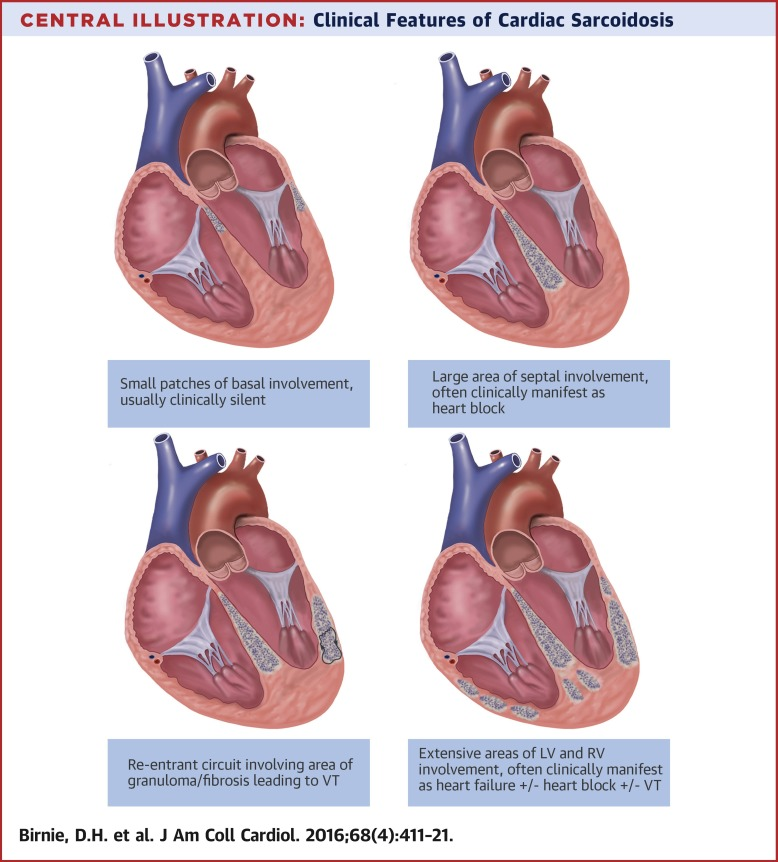
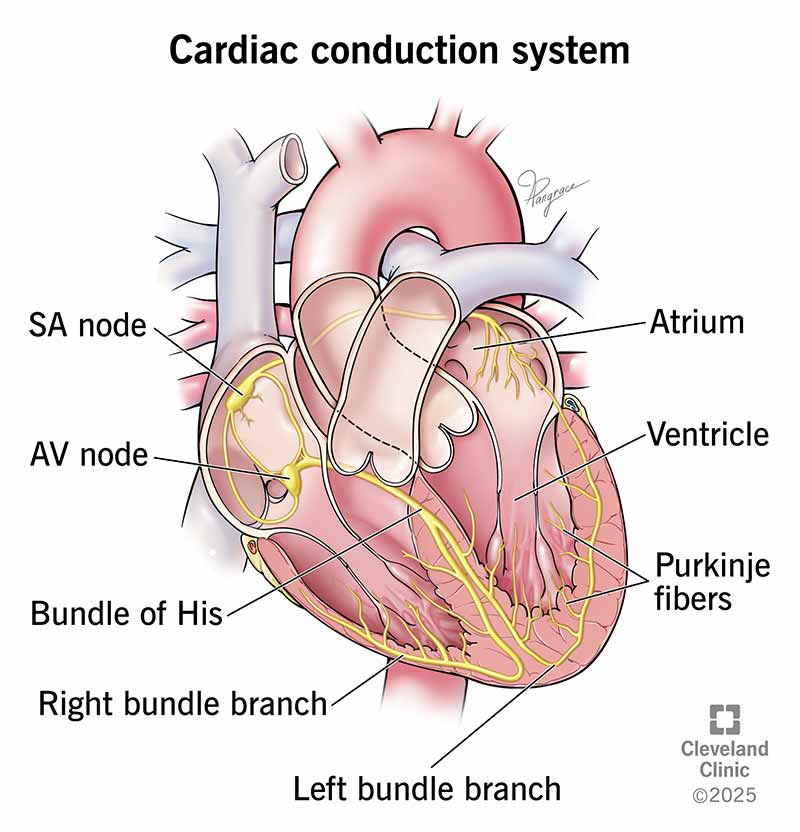
Cardiac sarcoidosis is a serious form of sarcoidosis in which inflammatory clusters called granulomas form in the heart tissue. These granulomas can disrupt the heart’s electrical system, weaken the heart muscle, and interfere with normal blood flow. While only a small percentage of people with sarcoidosis are formally diagnosed with cardiac involvement, experts believe it is often underdiagnosed and may be present without obvious symptoms.
Because the heart controls circulation and rhythm, cardiac sarcoidosis can be life-threatening if not recognized and treated early.
How Cardiac Sarcoidosis Affects the Heart
Granulomas can form in several critical areas of the heart, including:
- Electrical conduction system – leading to abnormal heart rhythms
- Heart muscle (myocardium) – causing inflammation, scarring, and weakness
- Heart walls and chambers – affecting the heart’s ability to pump efficiently
Over time, inflammation may turn into scar tissue (fibrosis), which can permanently impair heart function.
Common Symptoms of Cardiac Sarcoidosis
Symptoms vary widely. Some people have no symptoms at all, while others experience sudden and severe cardiac events.
Possible Symptoms Include:
- Palpitations or irregular heartbeat
- Dizziness or lightheadedness
- Fainting (syncope)
- Shortness of breath
- Chest pain or pressure
- Fatigue or reduced exercise tolerance
- Swelling in legs or feet (heart failure sign)
- Sudden cardiac arrest (in severe or undiagnosed cases)
⚠️ Important: Cardiac sarcoidosis can cause sudden symptoms without warning. Any unexplained fainting, rapid heartbeat, or chest discomfort should be evaluated immediately.
How Cardiac Sarcoidosis Is Diagnosed
Diagnosis can be challenging and often requires multiple tests, especially because symptoms may mimic other heart conditions.
Common Diagnostic Tools:
- Electrocardiogram (ECG/EKG) – detects rhythm abnormalities
- Holter or event monitor – records heart rhythm over time
- Echocardiogram – evaluates heart structure and pumping ability
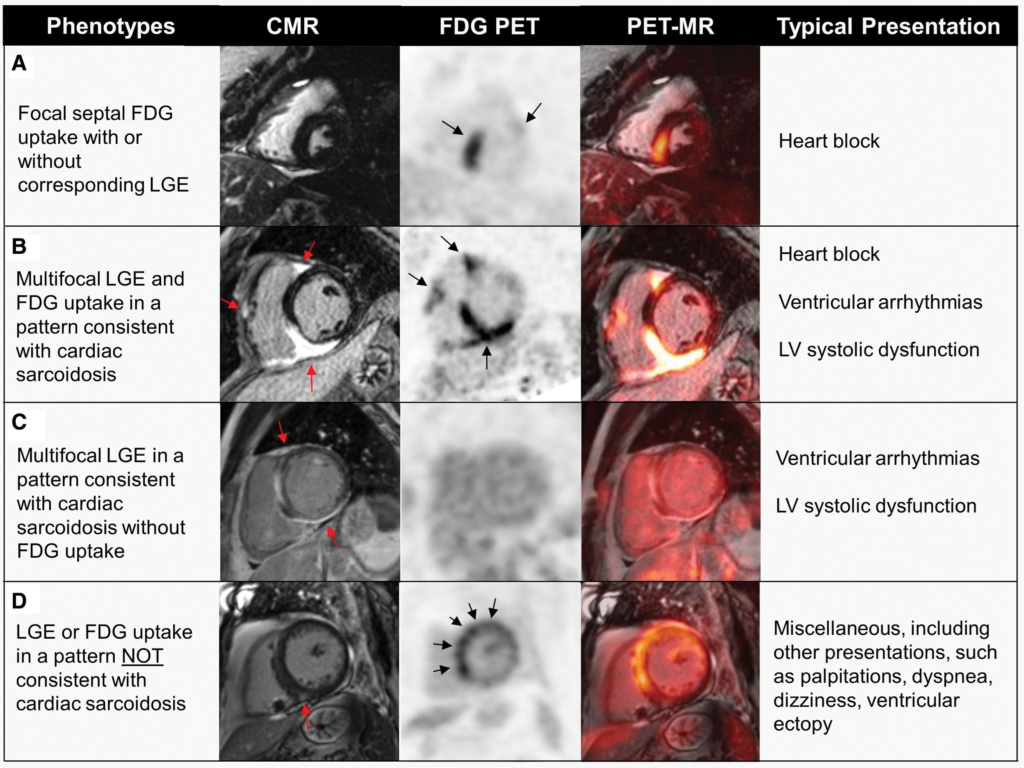
- Cardiac MRI – identifies inflammation and scar tissue
- PET scan – shows active inflammation
- Biopsy – rarely used due to difficulty accessing heart tissue
Doctors often diagnose cardiac sarcoidosis based on imaging + symptoms + sarcoidosis elsewhere in the body.
Treatment Options for Cardiac Sarcoidosis
There is no cure, but treatment focuses on reducing inflammation, managing symptoms, and preventing complications.
Medical Treatments:
- Corticosteroids (e.g., prednisone) – first-line treatment to reduce inflammation
- Immunosuppressive medications – used if steroids are ineffective or poorly tolerated
- Anti-arrhythmic medications – help control abnormal heart rhythms
Devices & Procedures:
- Pacemaker – for slow or blocked heart rhythms
- Implantable cardioverter-defibrillator (ICD) – prevents sudden cardiac death
- Heart failure medications – improve pumping function
Early and aggressive treatment can significantly improve outcomes.
Lifestyle & Self-Care Considerations
Living with cardiac sarcoidosis requires ongoing monitoring and heart-healthy habits.
Supportive Strategies:
- Follow all cardiology appointments closely
- Avoid excessive physical strain without medical clearance
- Maintain an anti-inflammatory diet
- Manage stress and prioritize rest
- Monitor symptoms and report changes immediately
- Stay consistent with medications
Faith, emotional support, and community connection can also play an important role in coping with the fear and uncertainty that cardiac involvement may bring.
Prognosis and Outlook
The outlook varies depending on:
- How early the condition is detected
- The degree of heart involvement
- Response to treatment
- Presence of scarring or heart failure
Many people with cardiac sarcoidosis live full, meaningful lives with proper medical care, monitoring, and lifestyle adjustments.
When to Seek Emergency Care
Call emergency services immediately if you experience:
- Sudden fainting
- Severe chest pain
- Rapid or chaotic heartbeat
- Shortness of breath at rest
- Loss of consciousness
These may be signs of a life-threatening cardiac event.
Encouragement for the Journey 💙
A cardiac sarcoidosis diagnosis can feel overwhelming, but you are not alone. With knowledge, proactive care, faith, and support, many people learn to manage this condition and reclaim hope, strength, and stability in their lives.