
Ocular (Eyes)
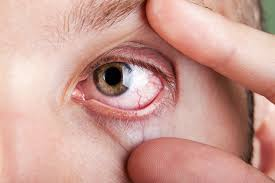
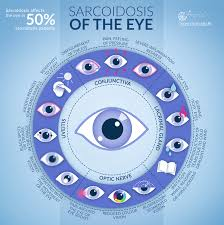
Ocular sarcoidosis is a form of sarcoidosis that affects the eyes and surrounding structures. It occurs when inflammatory cells form granulomas in or around the eye, leading to irritation, vision changes, and—if left untreated—potential vision loss. Eye involvement is common in sarcoidosis and may occur with or without lung symptoms, making regular eye exams critical for anyone diagnosed with sarcoidosis.
What Parts of the Eye Can Be Affected?
Ocular sarcoidosis can involve multiple areas of the eye, including:
- Uvea (uveitis – most common)
- Retina
- Optic nerve
- Conjunctiva
- Lacrimal (tear) glands
- Eyelids
- Sclera (white of the eye)
Common Types of Eye Involvement
1. Anterior Uveitis
- Inflammation in the front of the eye
- Most frequent form in sarcoidosis
- Often recurrent or chronic
2. Posterior Uveitis
- Affects the back of the eye, including the retina
- Higher risk of vision damage
3. Panuveitis
- Inflammation throughout the entire eye
- Severe and requires aggressive treatment
4. Optic Neuritis
- Inflammation of the optic nerve
- Can cause sudden vision loss
5. Dry Eye Syndrome
- Involvement of lacrimal glands
- Common and often overlooked
Symptoms of Ocular Sarcoidosis
Symptoms may affect one or both eyes and can fluctuate over time:
- Blurred or cloudy vision
- Eye pain or pressure
- Redness
- Sensitivity to light (photophobia)
- Floaters or dark spots
- Excessive tearing or dryness
- Burning or gritty sensation
- Vision loss (in severe cases)
⚠️ Important: Some people have no symptoms, yet still have active inflammation—regular eye exams are essential.
How Ocular Sarcoidosis Is Diagnosed
Diagnosis usually involves a combination of:
- Comprehensive eye exam by an ophthalmologist
- Slit-lamp examination
- Retinal imaging (OCT, fluorescein angiography)
- Blood tests (ACE levels, inflammatory markers)
- Chest imaging (X-ray or CT)
- Biopsy (when necessary)
A diagnosis may be made even before systemic sarcoidosis is identified.
Treatment Options
Treatment focuses on reducing inflammation and preventing vision damage:
Conventional Medical Treatments
- Corticosteroid eye drops
- Oral or injectable corticosteroids
- Immunosuppressive medications (for chronic or severe cases)
- Biologic therapies in refractory disease
Supportive & Complementary Approaches (Always discuss with your doctor)
- Anti-inflammatory nutrition
- Omega-3 fatty acids
- Turmeric/curcumin (if appropriate)
- Proper eye hydration and rest
- Stress management and sleep support
Potential Complications
Without proper treatment, ocular sarcoidosis can lead to:
- Cataracts
- Glaucoma
- Retinal damage
- Permanent vision loss
Early detection and consistent care significantly reduce these risks.
Living With Ocular Sarcoidosis
- Schedule regular eye exams, even if symptoms improve
- Report new vision changes immediately
- Follow medication plans carefully
- Protect eyes from excessive light and dryness
- Maintain overall inflammatory control through lifestyle support
Faith & Encouragement
Living with eye involvement can be emotionally challenging—especially when vision is affected. Remember that early care brings hope, and many people successfully manage ocular sarcoidosis long term. Lean into faith, community, and self-advocacy as part of your healing journey.
Quick Takeaway
Ocular sarcoidosis is serious but manageable. With early diagnosis, proper treatment, and ongoing monitoring, many individuals maintain good vision and quality of life.